Processed food is a huge category. For today, you don’t need a perfect definition.
Use a simple rule of thumb:
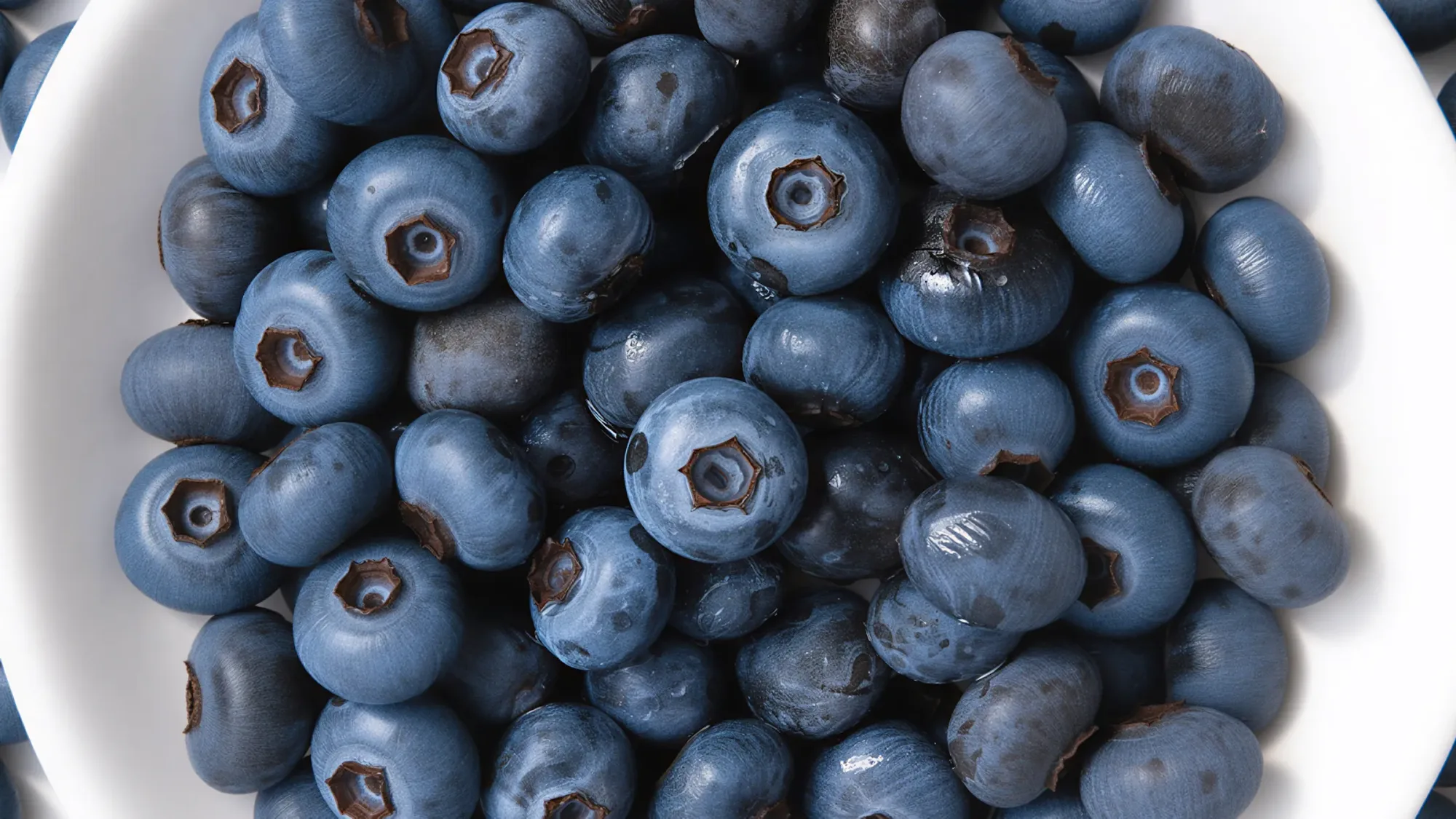
- Prefer foods that still look like what they were (fruit, vegetables, eggs, plain yogurt, beans, oats, rice, meat, fish, nuts).
- Be more cautious with foods that come in loud packaging, have long ingredient lists, or feel designed to be hard to stop eating.
Today’s challenge (optional)
Choose “mostly whole or minimally processed” for the day.
A realistic way to do it:
- Build meals from a few basic ingredients (protein + fiber-rich carb + color + fat).
- Swap one usual packaged snack for a whole-food option (fruit, nuts, yogurt, leftovers).
- If you buy something packaged, pick the simplest version you can (short ingredient list; less added sugar).
What to notice (no judgment)
- Hunger: Does it come on slower or feel more “clear”?
- Cravings: Do they change when you remove ultra-processed snacks?
- Energy: Any mid-afternoon dip difference?
- Satiety: Are you satisfied longer after meals?
- Effort: What made this easy? What made it hard?
Keep it honest and practical
You’re not proving willpower. You’re collecting data about your environment and your patterns. If you end up eating processed food, that’s still information: when did it happen, and what was going on?
Sources
- https://www.goodrx.com/well-being/diet-nutrition/tips-for-avoiding-processed-foods?srsltid=AfmBOooYT0hdOgUXAq3s7CoLUgzc4esMR2o-K-Br6kkV8I1N1KV_CwPT
- https://www.healthline.com/nutrition/how-to-eat-less-processed-food
- https://www.ama-assn.org/public-health/prevention-wellness/what-doctors-wish-patients-knew-about-ultraprocessed-foods
- https://apnews.com/article/dietary-guidelines-health-agriculture-federal-nutrition-2d8fa56be3c5900fc45116af7c69d786
- https://www.youtube.com/watch?v=o8D6esShpCA
