Understanding Health
Explore the ideas, evidence, and questions shaping health today.
Sort
Filter by tag

How Much Sleep Do You Actually Need?
How much sleep you need doesn't have one clean answer. Here's what years of research show — and why sleeping too little and sleeping too much can both be warning signs, not simple rules.
Read more

Can 30 Days of Gratitude Change Your Body?
A small study asked people to keep a gratitude journal and then checked their blood. The early signals are interesting — and easy to overstate.
Read more

Why Time Outside Calms You Down
Step into a park and your shoulders drop a little. Here's what the research says about why nature eases stress — and why the story is more tangled than the headlines make it sound.
Read more
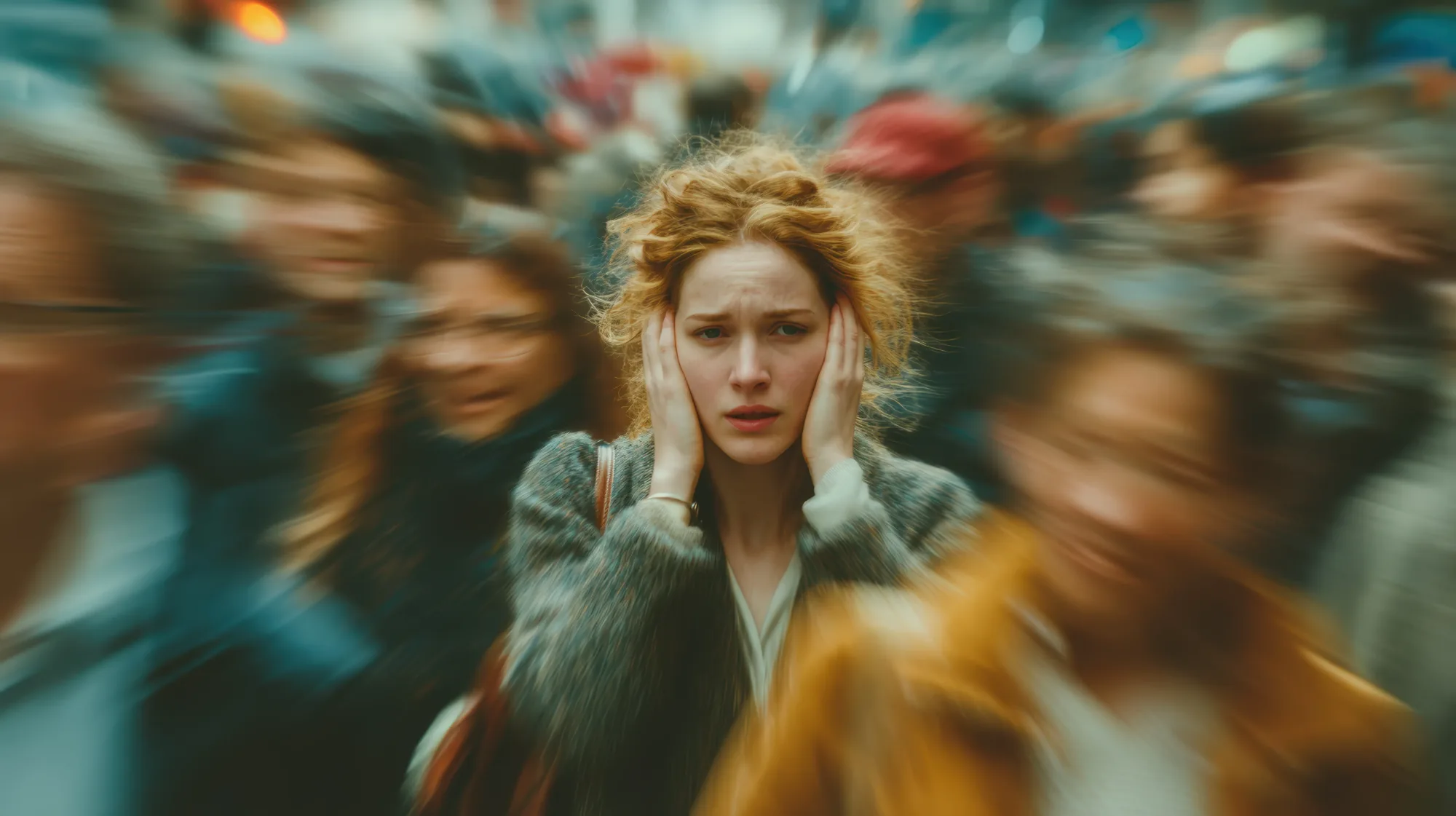
Can Money Stress Make You Sick?
Money worry doesn't stay in your head. It can reach your sleep, your mood, and your body. Here's how that happens — and what science can and can't prove.
Read more
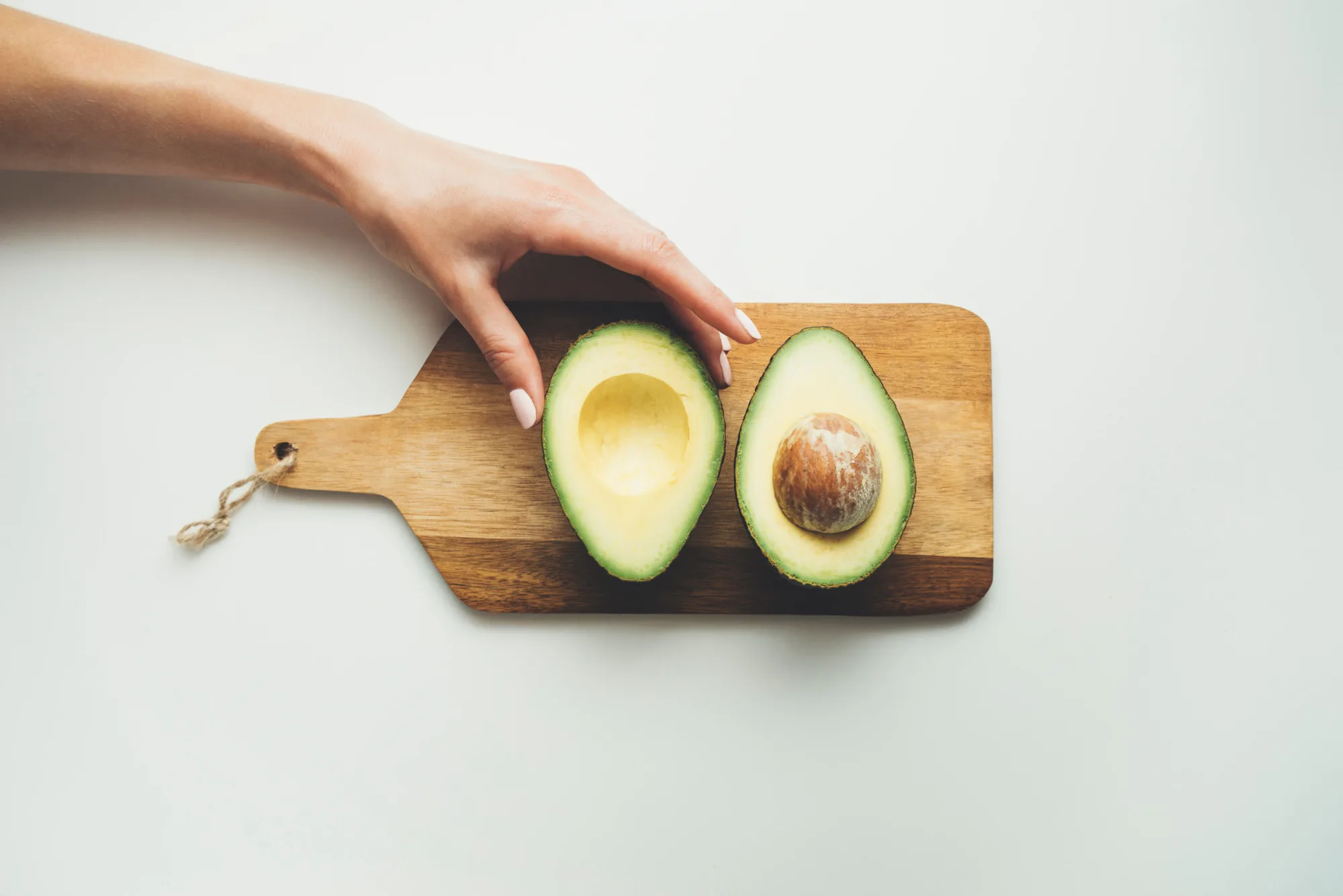
Can Cutting Carbs Help a Fatty Liver?
New trials suggest cutting carbs can lower liver fat quickly — sometimes within about two weeks — and in some studies it does better than cutting fat. But long-term results still depend on what you can actually stick with.
Read more

What Is Your Phone Doing to Your Brain?
Scientists scanned the brains of teens who couldn't stop scrolling — and found real differences in the systems that handle focus and self-control. Here's what that means, and what it doesn't prove.
Read more

Why Late-Night Screens Mess With Your Mood
Stay up scrolling, wake up flat and snappy. It's less about \"blue light\" and more about timing — here's the chain that runs from a late phone night to a rough next day.
Read more
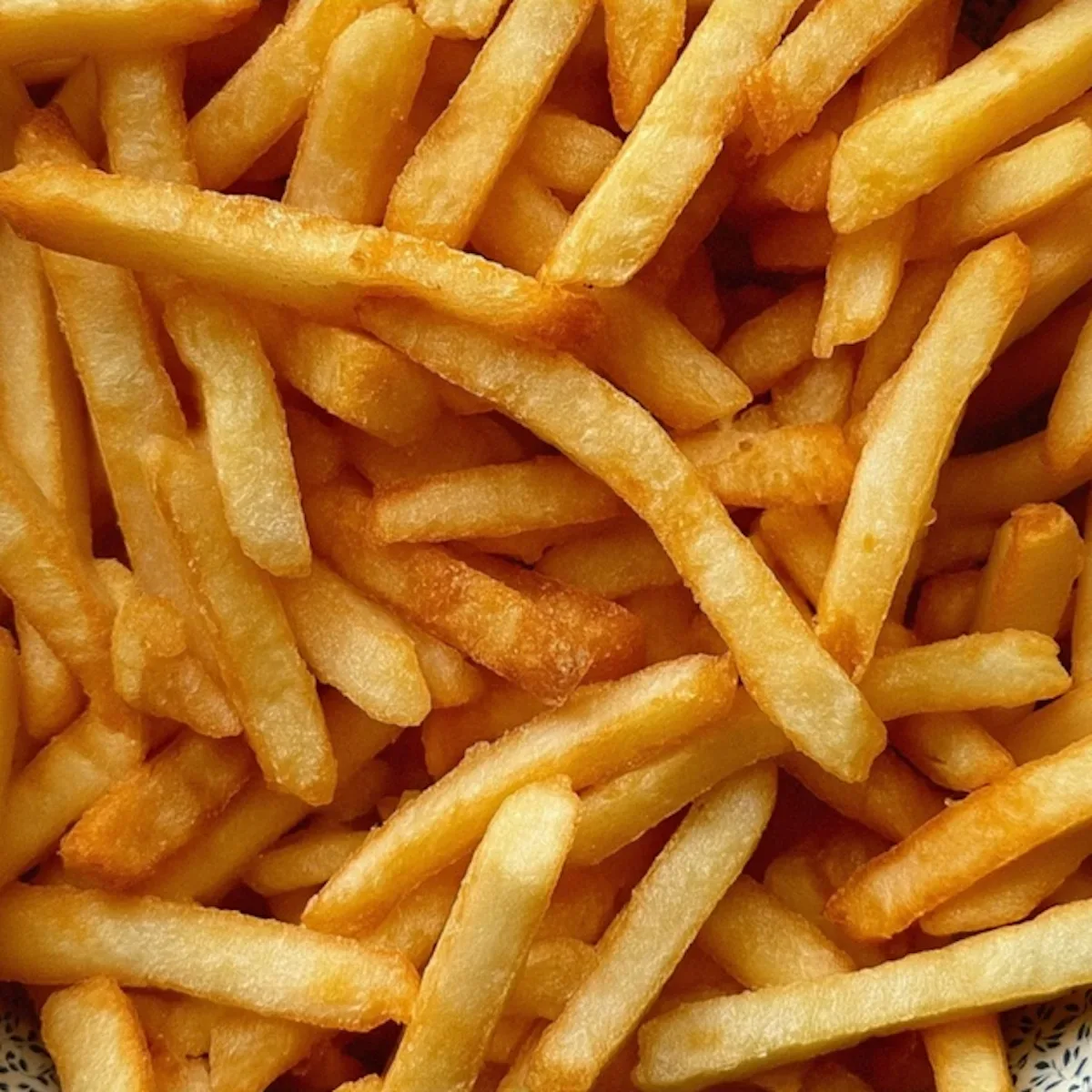
Can Junk Food Change Your Mood?
One big study found that people who ate the most ultra-processed food had about a third higher chance of depression. Here's what that number really means — and why it can't prove the food is the cause.
Read more
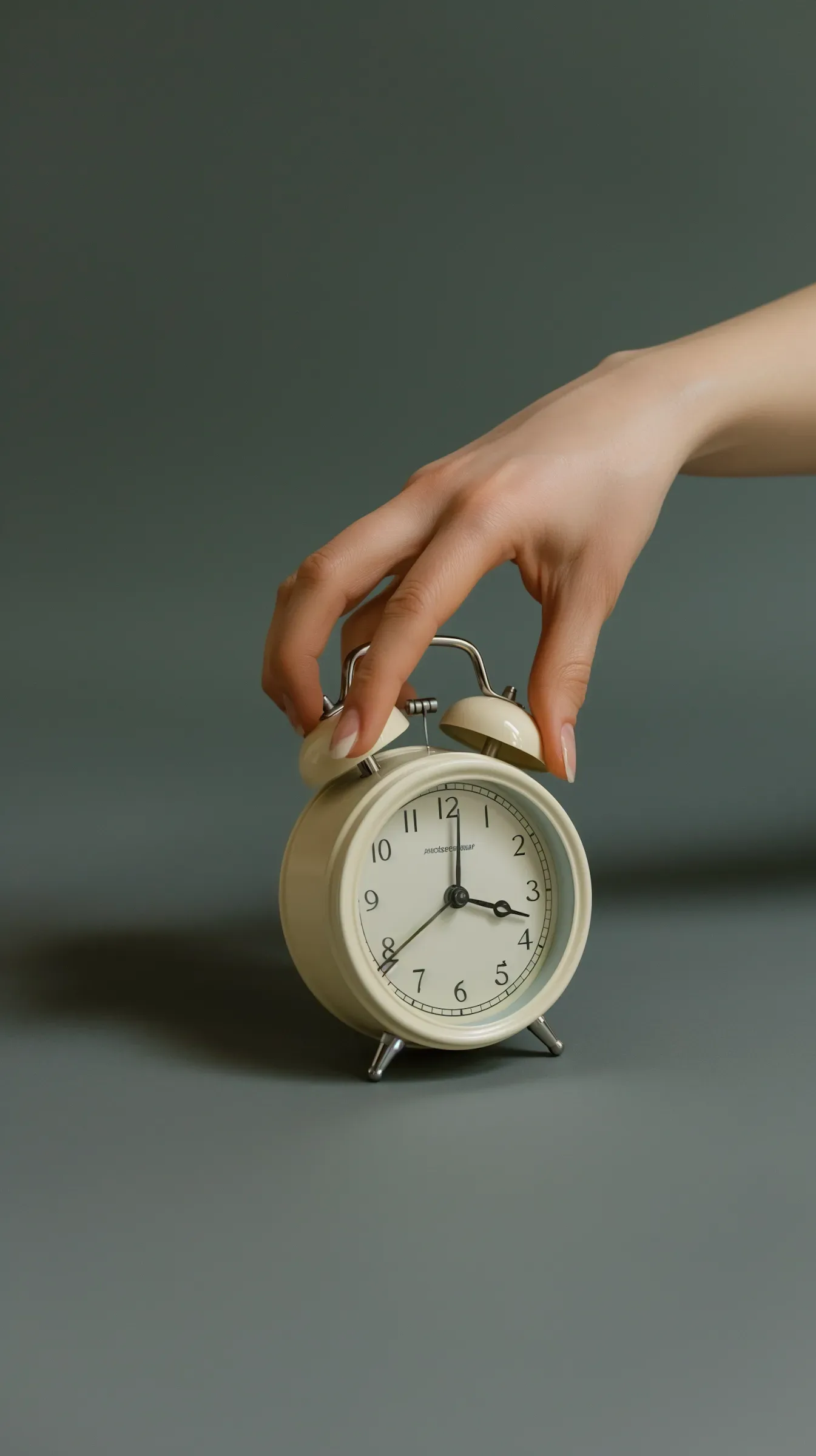
Does When You Eat Matter, Not Just How Much?
A new trial hints that eating within a shorter daily window may improve how your body handles insulin — sometimes more than cutting calories alone would explain. But the effect depends on the plan and the person, and one trial can't settle it.
Read more

People With a 'Why' Live Longer
Studies keep finding that people who feel their life has purpose tend to live longer. Here's where the famous "17% lower risk" number comes from — and what it can't prove.
Read more
 6 in 10 deaths
 6 in 10 Deaths in the U.S. Come From Long-Term Illness
Most deaths in the United States come from diseases that build up over years — like heart disease, cancer, and diabetes.
Read more
 280 million people
 280 Million People Live With Depression
Around the world, about 280 million people live with depression — roughly 1 in 20 adults.
Read more
 1 in 5 adults
 1 in 5 Adults Feel Lonely Every Day
In big surveys, about one in five adults say they feel lonely every single day. That's a feeling — not the same as being alone.
Read more
 +25% since 2010
 Anxiety Is Up 25% Since 2010
Worldwide, about a quarter more people live with an anxiety disorder than in 2010. Here's what that number means — and what it doesn't.
Read more
 7–9 hrs/day
 Some Kids Spend 7–9 Hours a Day on Screens
For some kids, screens fill as many hours as school plus homework. Here's what that number can and can't tell you.
Read more
 8–10 hrs/day
 Sitting 8–10 Hours a Day Is Where Risk Starts to Climb
In big studies, health risk tends to climb once people sit about 8–10 hours a day while awake. It's a slope, not a cliff — and moving more changes the picture.
Read more
 35–40%
 More Than a Third of U.S. Adults Sleep Less Than 7 Hours
Around 35–40% of U.S. adults say they usually sleep under 7 hours a night. Many adults run best on 7 to 9.
Read more
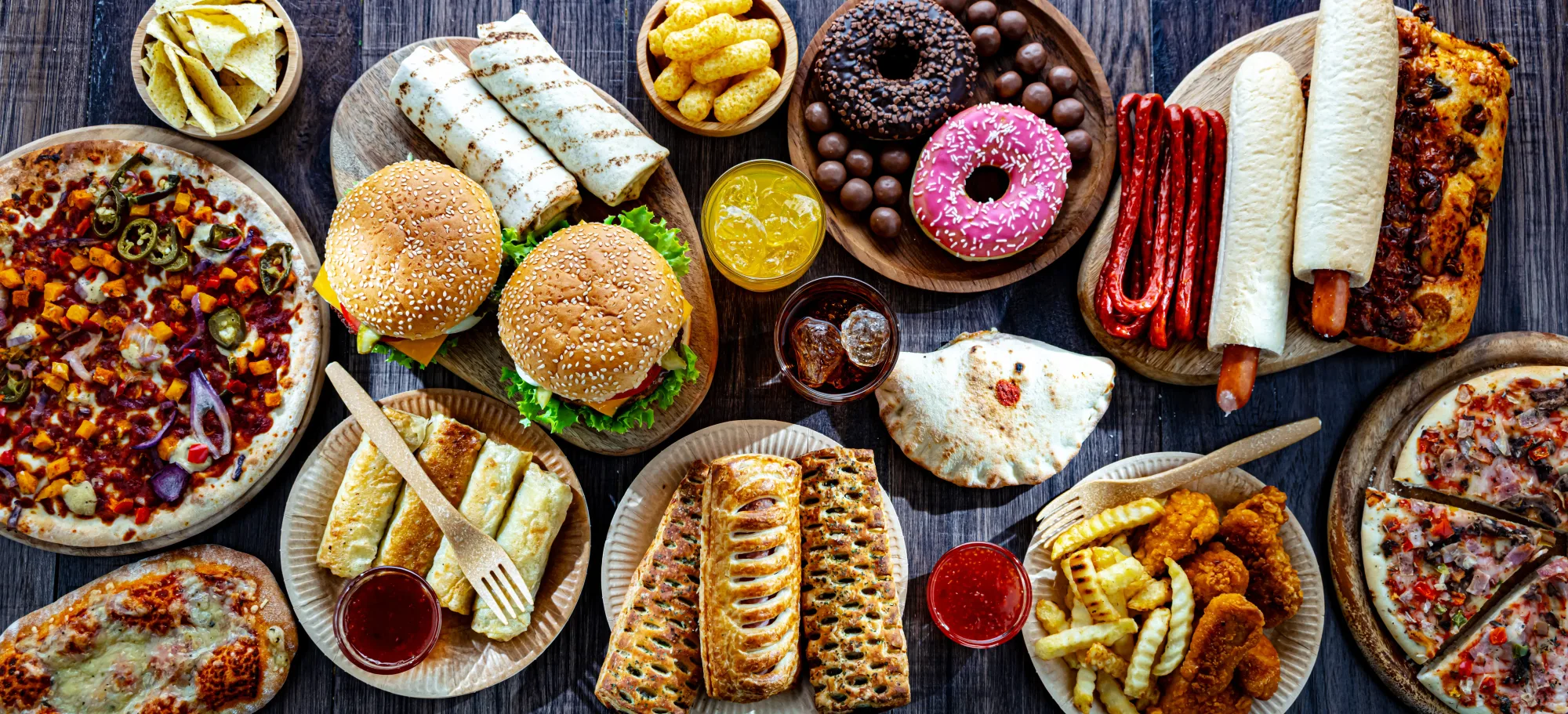 ~60% of calories
 About 60% of America's Calories Come From Factory-Made Food
Studies of what Americans eat suggest about 60% of daily calories come from ultra-processed foods — products built in factories, not kitchens.
Read more

Why You Feel Better After Talking to a Friend
Feeling close to people isn't just nice — it changes how your body handles stress. Here's why connection matters, what loneliness really is, and why a few real friends beat a crowd.
Read more

Bouncing Back Is a Skill You Can Learn
Some people seem to handle hard things better. It's not magic, and it's not a personality type — it's a set of skills that grow with practice.
Read more

What Keeps You Steady When Life Gets Hard
Feeling good comes and goes. Research keeps finding that people hold up better when their life feels meaningful — even when it isn't comfortable. Here's what "meaning" actually is.
Read more
What Does Processed Food Really Do to Your Body?
Not all processed food is bad. Freezing and canning are fine. But food built in a factory to be eaten fast can quietly push you to overeat — and it keeps showing up alongside more disease.
Read more

What Happens to Your Body When You Stop Eating?
When you go long enough without food, your body switches fuels — first burning stored sugar, then fat, then making ketones. Here's that switch in plain words: what's solid science, and what depends on you.
Read more

Want to Know Who You Are? Learn Something New
Learning isn't just about picking up skills. It's one of the most reliable mirrors you'll find — it shows you how you handle effort, confusion, and help, in ways your opinions about yourself never will.
Read more

What 13 Minutes of Quiet a Day Can Do
In one experiment, people who meditated 13 minutes a day came out with better mood, steadier emotions, and sharper focus. Not magic — but real, and worth understanding.
Read more

What Is Your Money Actually For?
Money isn't a score on your life — it's a tool. Here's how to figure out what yours is for, and how to spot the money stories quietly running your choices.
Read more
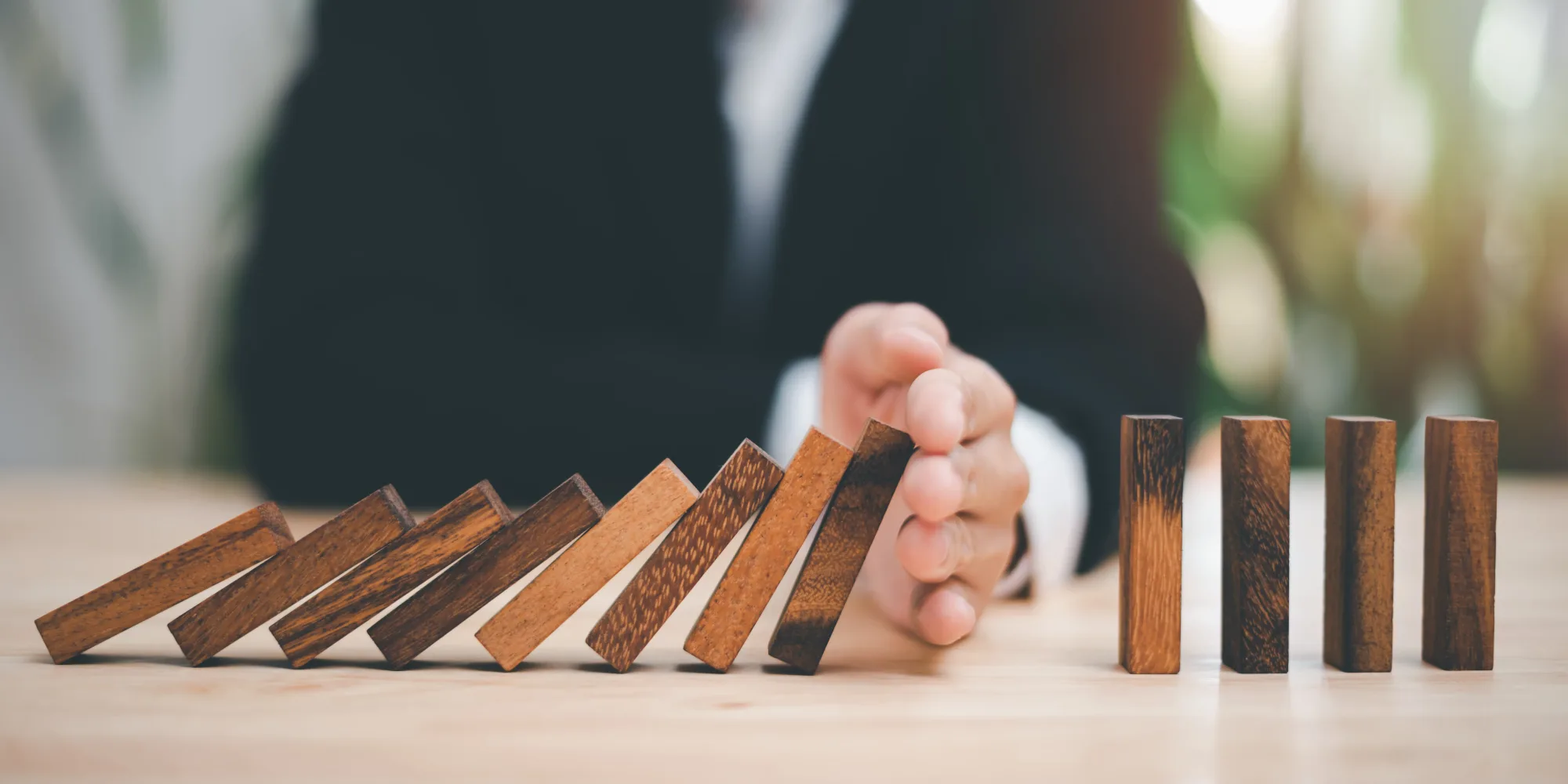
People Who Watch Their Money Feel Calmer
Research keeps finding the same pattern — people who keep an eye on their money feel calmer than people who look away. Here's why that might be, and what it can't promise.
Read more

What Gratitude Actually Does for Your Mood
Writing down what went right sounds too simple to matter. For many people it helps a little — and knowing how to do it honestly makes the difference.
Read more

Living on Purpose Is Smaller Than You Think
You don't need a life mission or a dramatic plan. Living on purpose mostly means making your days match what you say matters — one small, repeatable choice at a time.
Read more
Why One Good Habit Won't Fix Everything
One perfect habit is a nice promise. But your health is a system, and systems don't bend to a single lever. Here's a more honest way to think about it.
Read more

Yesterday's Tools Won't Fix Today's Problems
Life keeps changing — and you either update how you think and cope, or get shaped by default. That's the real case for personal growth, minus the slogans.
Read more

Your Worth Is Not a Score
Grades, followers, money, achievements — it's easy to treat your worth like a scoreboard. This is about a different idea: that your life matters in itself. Nobody can prove it like math. Here's why people believe it anyway.
Read more

What Actually Helps You Fall Asleep
A calm bedtime routine gets recommended everywhere, but which parts really work? Here's what the evidence leans toward — a warm bath, fewer screens, and doing it the same way each night.
Read more
6 in 10 deaths
6 in 10 Deaths in the U.S. Come From Long-Term Illness
Most deaths in the United States come from diseases that build up over years — like heart disease, cancer, and diabetes.
280 million people
280 Million People Live With Depression
Around the world, about 280 million people live with depression — roughly 1 in 20 adults.
1 in 5 adults
1 in 5 Adults Feel Lonely Every Day
In big surveys, about one in five adults say they feel lonely every single day. That's a feeling — not the same as being alone.
+25% since 2010
Anxiety Is Up 25% Since 2010
Worldwide, about a quarter more people live with an anxiety disorder than in 2010. Here's what that number means — and what it doesn't.
7–9 hrs/day
Some Kids Spend 7–9 Hours a Day on Screens
For some kids, screens fill as many hours as school plus homework. Here's what that number can and can't tell you.
8–10 hrs/day
Sitting 8–10 Hours a Day Is Where Risk Starts to Climb
In big studies, health risk tends to climb once people sit about 8–10 hours a day while awake. It's a slope, not a cliff — and moving more changes the picture.
35–40%
More Than a Third of U.S. Adults Sleep Less Than 7 Hours
Around 35–40% of U.S. adults say they usually sleep under 7 hours a night. Many adults run best on 7 to 9.
~60% of calories
About 60% of America's Calories Come From Factory-Made Food
Studies of what Americans eat suggest about 60% of daily calories come from ultra-processed foods — products built in factories, not kitchens.
